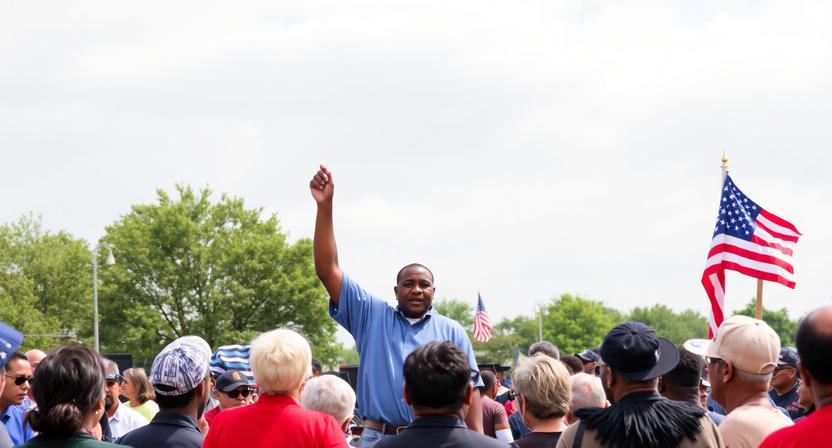
Communities grow stronger when individuals choose to participate actively in improving the lives of those around them. Making an impact in one’s community involves contributing to initiatives that strengthen social relationships, support shared resources, and address the challenges that affect residents. These actions help build environments where cooperation and mutual support become part of everyday life. A community can be defined by geography, professional networks, cultural connections, or shared interests. Regardless of its form, the development of a healthy community depends on the engagement of individuals who are willing to contribute to collective progress. Through consistent participation and collaboration, community members can create opportunities that benefit both current residents and future generations. Community impact is often the result of sustained effort rather than isolated actions. Over time, small contributions combine to produce meaningful improvements in social structures, local programs, and shared environments. Recognizing Community Needs Understanding the needs of a community is an essential step toward meaningful involvement. Communities often face a variety of social and economic challenges that require thoughtful responses from residents and organizations. Individuals who want to contribute effectively often begin by observing how community programs operate and listening to the concerns of residents. Public meetings, neighborhood forums, and conversations with local organizations provide insight into the priorities and challenges within the community. Common priorities may include improving educational opportunities, supporting youth programs, maintaining public spaces, or expanding access to social services. When individuals understand these priorities, they can align their contributions with initiatives that address real community needs. Awareness of these issues helps ensure that community engagement remains focused and constructive. Participation and Community Engagement Participation is a key component of meaningful community impact. When residents take part in local discussions and initiatives, they help shape the direction of community development. Participation may involve attending neighborhood meetings, supporting community improvement projects, or contributing ideas that help address local challenges. These activities allow residents to influence the decisions that affect their community. Communities that encourage broad participation often develop stronger relationships among residents. These relationships create environments where individuals feel comfortable sharing ideas and working together toward solutions. Active engagement also promotes transparency and accountability within community initiatives. Volunteerism and Community Support Volunteerism remains one of the most accessible ways individuals can support their communities. Many nonprofit organizations and grassroots initiatives depend on volunteers to deliver programs that benefit residents. Volunteers may assist with educational programs, community events, environmental initiatives, or mentorship activities. These contributions help organizations expand their reach and provide valuable services to the community. Volunteering also helps individuals build connections with others who share similar goals. Working together on projects often leads to lasting relationships and encourages continued involvement in community initiatives. Volunteer networks often become an important support system that strengthens community programs. Collaboration Between Community Stakeholders Effective community initiatives often depend on collaboration among multiple stakeholders. Residents, nonprofit organizations, businesses, and public institutions each contribute resources and expertise that can help address community challenges. Collaborative initiatives may focus on areas such as education, environmental sustainability, economic development, or social services. By working together, stakeholders can design programs that address multiple aspects of a challenge. Discussions about civic engagement and public service frequently emphasize the importance of responsible leadership and cooperation. In conversations about legal accountability and public responsibility, professionals such as Karen McCleave Crown Attorney are sometimes referenced when highlighting the role of leadership in strengthening civic institutions and promoting community trust. Collaboration allows communities to develop more comprehensive solutions that benefit a wider range of residents. Building Strong Social Connections Strong social relationships are essential for community stability and cooperation. When residents trust one another and communicate openly, they create networks that support collaboration and mutual assistance. Community events, cultural celebrations, and neighborhood activities provide opportunities for individuals to connect with others. These interactions help foster a sense of belonging and strengthen relationships among residents. Social connections also help communities respond more effectively during times of challenge. When residents have established relationships, they are more likely to work together to address problems and support one another. Building strong social bonds contributes to a resilient and supportive community environment. Civic Engagement and Community Voice Civic engagement allows residents to influence decisions that affect their community. By participating in civic processes, individuals ensure that their perspectives are considered when policies and programs are developed. Residents may engage through activities such as attending public meetings, contributing feedback during consultations, or voting in elections. These actions help shape policies related to public services, infrastructure, and economic development. Communities that encourage civic engagement often experience greater transparency and accountability in governance. Active participation also helps residents understand how policies influence community development. Encouraging civic involvement helps create communities where residents feel empowered to shape their shared environment. Education and Knowledge Sharing Education and mentorship initiatives play an important role in strengthening communities. When individuals share knowledge and experience with others, they help create opportunities for growth and empowerment. Mentorship programs often connect experienced professionals with students or young adults seeking guidance about education and career opportunities. These relationships provide valuable support and practical advice. Community workshops and training sessions also contribute to skill development among residents. Topics such as financial literacy, entrepreneurship, digital skills, and environmental awareness can help individuals build capabilities that support both personal advancement and community progress. By promoting knowledge sharing, communities empower residents to participate more effectively in local initiatives. Addressing Challenges Through Collective Action Communities often face challenges that require coordinated responses. Issues such as environmental sustainability, economic inequality, and access to essential services can affect many residents. Collective action allows communities to combine resources, knowledge, and expertise to develop effective solutions. When residents collaborate with organizations and institutions, they can create initiatives that address both immediate needs and long-term objectives. This collaborative approach increases the likelihood that community programs will produce lasting improvements. Communities that embrace cooperation often demonstrate greater resilience when responding to evolving challenges. Sustaining Long-Term Community Development Long-term engagement is essential for maintaining meaningful community impact.